
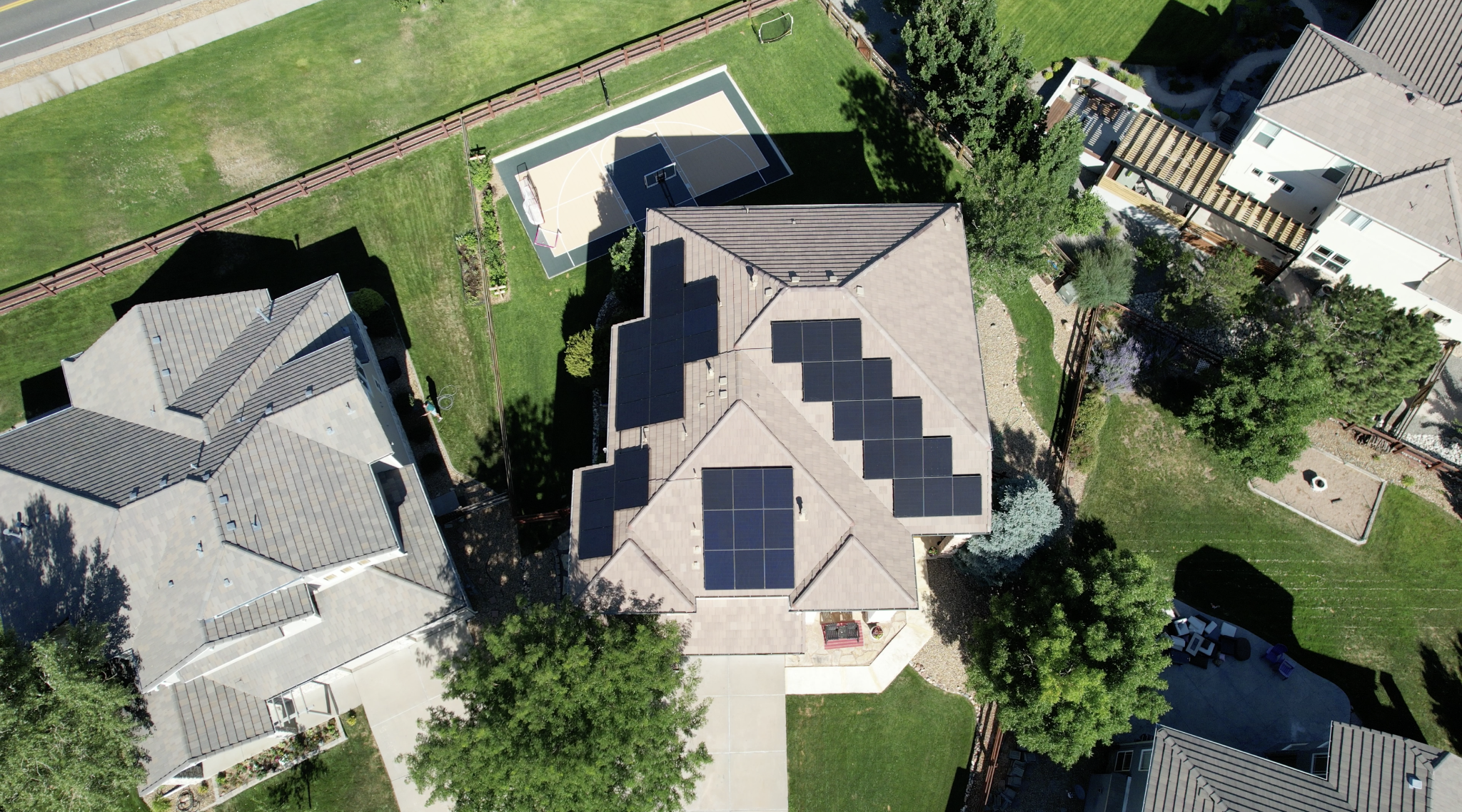
Your roof protects your home from rain, wind, heat, and other weather conditions, making the choice of roofing contractor an important decision. Whether you need a repair, replacement, or new installation, the contractor you hire can directly affect the quality and long-term performance of the work.
Before agreeing to a project, homeowners should ask important questions about the contractor’s credentials, insurance, experience, materials, warranties, project details, cleanup, and communication. A trustworthy contractor should be willing to explain the work clearly, provide relevant documentation, and put important details in writing. Energy Advantage Roofing & Solar understands that having clear information helps homeowners make confident decisions and choose the right professional for their roofing needs.
Before hiring a roofing contractor, ask about licensing, insurance, experience, references, materials, warranties, permits, project timelines, cleanup, and who will perform the work. You should also request a detailed written proposal that explains what will be done and what is included. Clear answers can help you compare contractors and avoid misunderstandings once the project begins.
Start with the basics before discussing the actual roofing work. Licensing requirements can vary by location, so homeowners should understand what applies where they live.
Insurance is also important because roofing work involves working at heights and can create risks for workers and property. Ask the contractor to provide current documentation rather than relying only on a verbal statement.
A professional contractor should be comfortable answering these questions and showing supporting documentation.
Every roofing system can have different installation and repair requirements. A contractor who regularly works with your specific roof type may be better prepared to identify problems and recommend an appropriate solution.
Ask about previous projects that are similar to yours. You can also ask how the contractor handles common issues such as damaged decking, flashing problems, ventilation concerns, or leaks.
Experience is most useful when it matches the type of project your home actually needs.
A good inspection should give you a clear explanation of the problem. You should not feel pressured to approve work that you do not understand.
Ask the contractor to show you the areas of concern when possible. Photos can also help you understand what they found, especially when the problem is difficult to see from the ground.
The goal is to understand the condition of your roof before deciding what work should be done.