
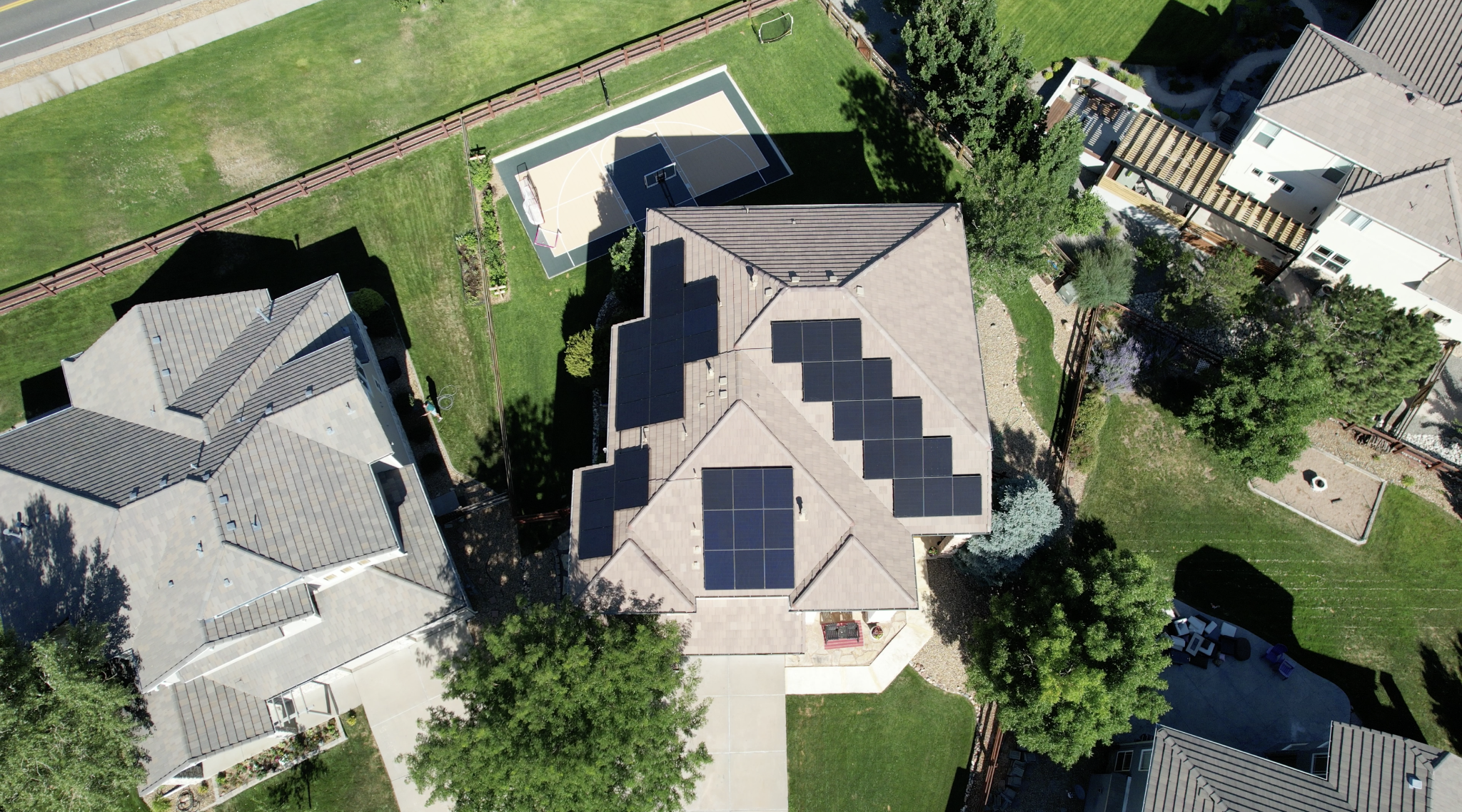
Your roof plays an important role in protecting your home from changing outdoor conditions throughout the year. From intense sunlight and strong winds to heavy snowfall and sudden storms, different weather patterns can affect roofing materials over time. Energy Advantage Roofing & Solar helps homeowners understand how local weather conditions influence roof performance and why regular care matters for long-term protection.
Many homeowners only think about their roof when a problem appears, but weather exposure happens every day. Understanding how seasonal changes impact your roofing system can help you recognize warning signs earlier and make smarter maintenance decisions.
Weather patterns can gradually impact the strength and condition of your roof. Constant exposure to outdoor elements may weaken materials, reduce durability, and create areas where problems can develop. Even when damage is not immediately visible, repeated weather stress can affect the overall performance of your roofing system.
Different seasons bring different challenges. Hot summer conditions can affect roofing surfaces, while winter conditions can create stress through freezing temperatures and moisture. Strong winds and storms may also contribute to wear that becomes more noticeable over time.
Learning how weather affects your roof helps you understand why regular inspections and maintenance are important. A proactive approach can help identify concerns before they become larger issues.
Heat exposure can weaken roofing materials over extended periods.
Heavy rain may increase the risk of moisture-related issues.
Strong winds can loosen or damage exterior roofing components.
Snow and ice can create additional pressure on roofing systems.
Sudden temperature changes may cause materials to expand and contract.
One of the biggest challenges roofs face is frequent temperature variation. Roofing materials naturally expand when temperatures rise and contract when temperatures fall. Over time, these repeated movements can affect the strength and flexibility of certain materials.
Warm weather can increase surface temperatures, while colder conditions can make materials less flexible. These changes may contribute to cracks, gaps, or weakened areas if the roof is already aging or has existing concerns.